From Dark to Light Heritage Attic Transformation, Lisbon 60sqm/645sqft
For a long time, I lived in the shadows of Lisbon’s industrial past, wandering through Marvilla, a district once known as Villa do Marum, or the Village of the Sea. There is a specific kind of melancholy in an old industrial area, but lately, I have felt a shift—a deep process of urban regeneration where old factories are becoming galleries and creative studios. My dream was to find a piece of this history and breathe life back into it, specifically within the heritage-protected bones of a 20th-century building.
My home began as a “forgotten property,” a dark, fragmented attic that felt more like a cage than a sanctuary. It was a puzzle of sloping roofs, tapering from a mere half-meter to three meters at its peak, with access so difficult it felt as though the space was trying to hide from the world. There was a kitchen and two small, cramped rooms, but it lacked even a designated bathroom. Yet, when I looked at the dark corners, I didn’t see limitations; I saw a chance to open the apartment to the surrounding area and invite in the view of the Tagus River.
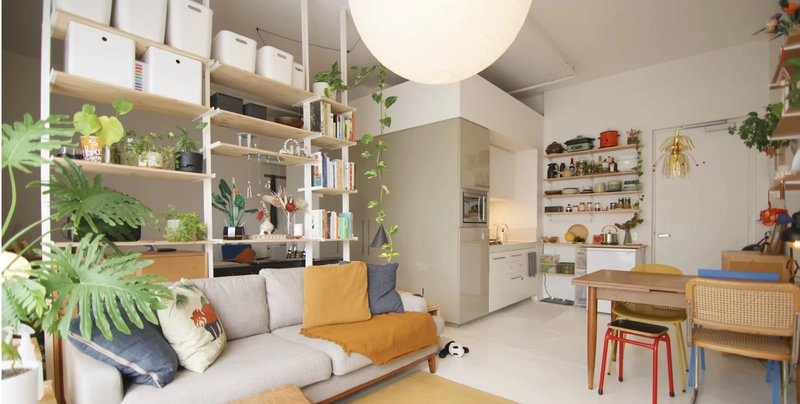
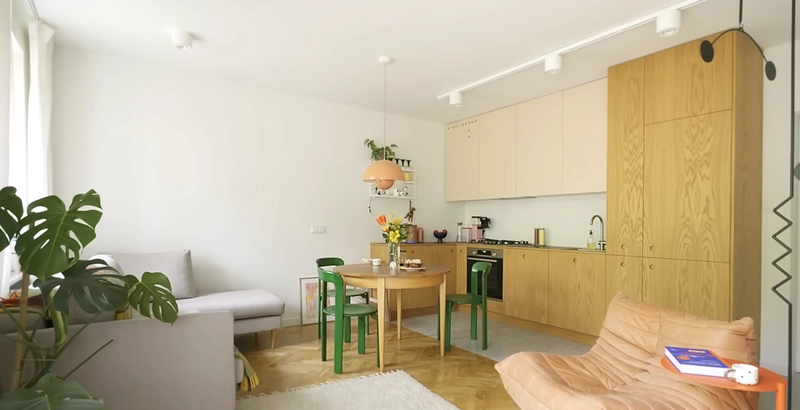
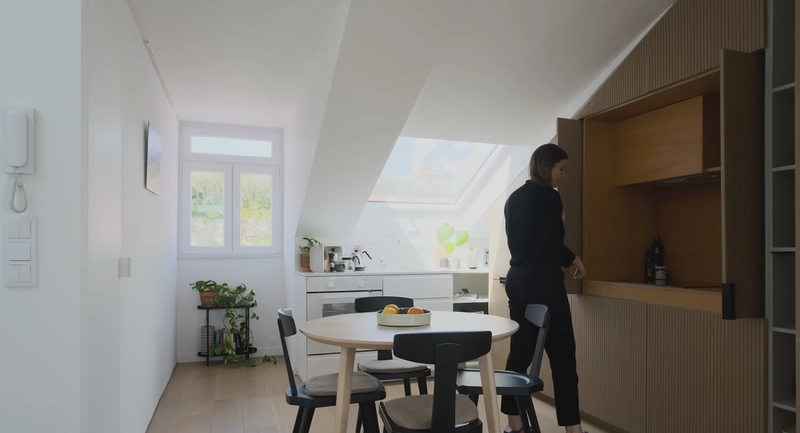
The creative process was an exercise in stripping away the unnecessary to find the soul of the space. We removed all internal walls, opting for an open-plan kitchen, dining, and living area. Every design choice was an emotional one, aimed at creating a feeling of openness and spaciousness. To enter my home now is to walk through a portal; we altered the staircase so I could step into the very heart of the apartment through a full-height door, leaving the “small gate” of the past behind.
I find a quiet joy in the materials that now surround me. The walls at the entrance are covered in beige fiber cement panels, and a large mirror sits above the stairs to reflect light and hide the utilitarian fuse box. My living room is a sanctuary of cleverness. Along the back wall, I have a storage unit integrated into the gable, made of colored MDF that provides insulation and keeps the clutter of the world at bay. My kitchen is a secret I share with the room; it hides behind pocket doors that slide away to reveal an induction cooktop when I am ready to create.
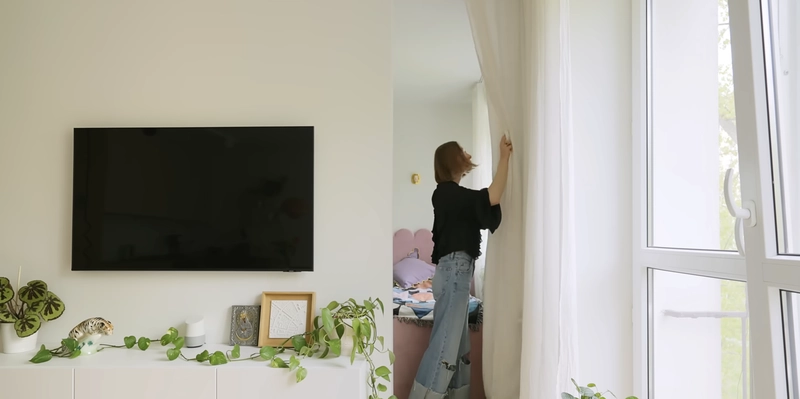
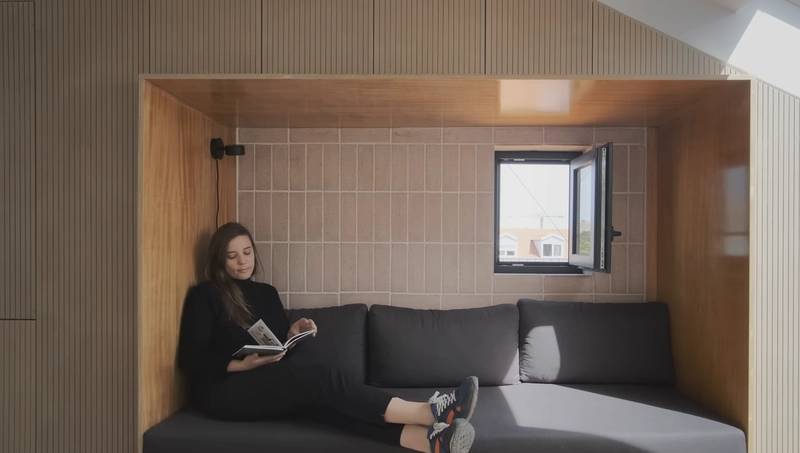
When I work, I sit in my office nook tucked under a dormer window, where the roof extends just enough to give me a bit of extra vertical space and a view of the world outside. In the evenings, I retreat to a bedroom that feels like a cocoon. There is a skylight directly above my bed, and as I lay down, I can see the stars. It is a compact space, but it holds everything I need, including a closet built into the space above the common stairs.
Even the bathroom, once non-existent, is now a “light and clean” space. The shower sits in a nook, bathed in natural light from a fluted glass window and a custom vanity made of metal and wood that acts as both a divider and a piece of art.
To me, this renovation was more than just a construction project; it was a way to upgrade the performance of an outdated building and participate in the life of the city. I have learned that you do not need a palace to feel expansive. By optimizing space without compromising comfort and filling every corner with natural, borrowed, and reflected light, I have built a home that is small in footprint but infinite in feeling.