The Architecture of Intimacy: Redefining Modern Living through Small-Scale Design
As an architect, I often observe that the true test of design is not found in sprawling estates, but in the intelligent orchestration of limited square footage. In modern urban centers like Hong Kong, where the “diamond-shaped” layout is a common architectural challenge, we are seeing a shift toward a more intentional way of living. Architecture today is no longer just about providing shelter; it is about spatial efficiency, the integration of sustainable materials, and a renewed dialogue with nature, all within a compact footprint.
The Mastery of Spatial Efficiency
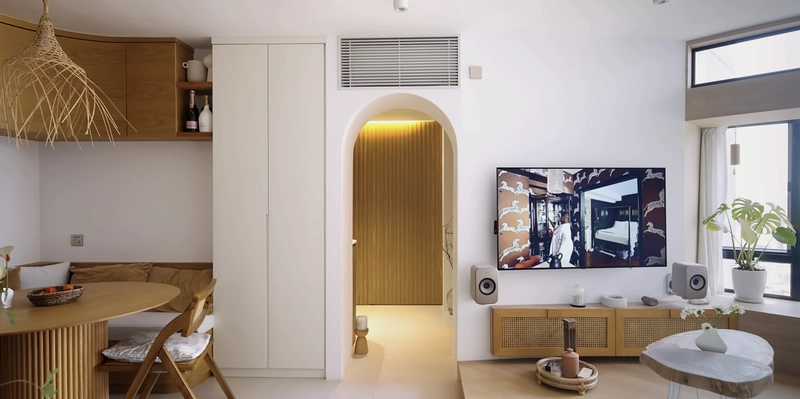
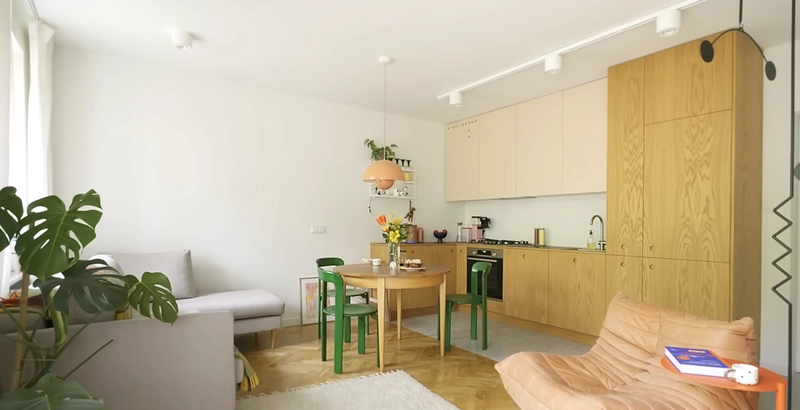
In a 48-square-meter apartment, every millimeter must justify its existence. One of the most effective ways architecture influences modern living is through the demolition of restrictive boundaries to create fluid, multi-functional zones,. By removing bedroom walls, designers can expand secondary spaces like bathrooms, making a small home feel significantly more luxurious.
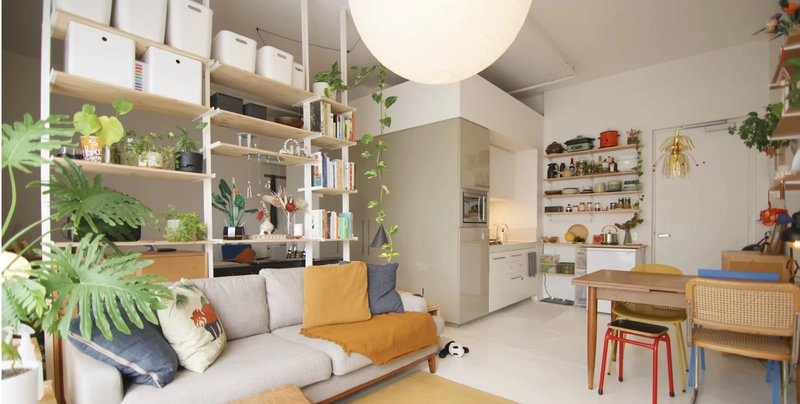
Efficiency is further achieved through architectural “choreography”—using verticality and custom millwork to hide the clutter of daily life. Key strategies include:
• Sliding Doors: Replacing traditional swinging doors with sliding or fluted panel versions saves immense floor space and allows for a “cleaner” visual profile,,.
• Platform Systems: Using wooden platforms can effectively divide living and dining areas without the need for walls, while simultaneously providing hidden storage drawers underneath,.
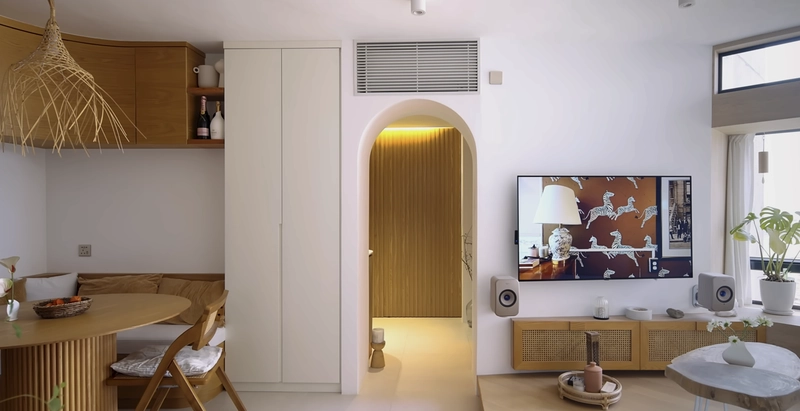
• Multipurpose Furniture: Custom-made pieces, such as an angled sofa that serves as an “afternoon bed” or a TV cabinet that integrates seamlessly with a bay window, ensure that furniture acts as an extension of the architecture itself,.
Sustainability and Non-Toxic Materials
From my professional perspective, modern architecture is increasingly defined by its material ethics. The choice of materials should prioritize both the environment and the health of the inhabitant. For instance, the use of ecological, non-toxic Japanese lime plaster on walls and ceilings provides a breathable, healthy alternative to synthetic paints.
Furthermore, sustainability in modern living often involves patience and reuse. Incorporating secondhand furniture—sometimes curated over many years—reduces waste and ensures a home has a “consistent style” and soul that new mass-produced items often lack. In moisture-prone areas like bathrooms, architects are turning to specialized natural materials like Japanese aomori Hiba wood, which possesses inherent anti-molding and antibacterial properties, reducing the need for harsh chemical cleaners.
Reconnecting with Nature and Tranquility
Even in dense industrial-turned-business districts, the relationship between architecture and nature is vital for mental well-being. Modern design seeks to maximize natural sunlight, using bay windows not just for views but as dedicated spots for greenery and plants to thrive.
Architecture also influences our psychological state through biophilic forms. Implementing arches and curves can “soften” the irregular, harsh angles of a space, creating a sense of tranquility and coziness. This connection to nature is often paired with cultural philosophies, such as using a circular dining table—a symbol of family unity in feng shui—to anchor the home’s social center.
Finally, the modern architectural approach often draws from the Japanese philosophy of separation, such as creating a foyer with a platform to prevent outside dirt from entering the home, or separating “wet” and “dry” areas in the bathroom,. These small architectural interventions foster a cleaner, more organized lifestyle, proving that good design is not about the size of the space, but the quality of the life lived within it.