The Art of Intentional Living: Designing for Tranquility and Flow
In the modern world, our homes have transitioned from mere shelters to sanctuaries of wellness and productivity. As an interior design expert, I have observed a significant shift toward intentional living, where every design choice is weighted by its impact on the inhabitant’s mood and the home’s functional flow. Whether you are working with a spacious estate or a 48-square-meter studio, the principles of tranquility, materiality, and clever spatial organization remain universal.
1. The Psychology of Softness and Neutrality
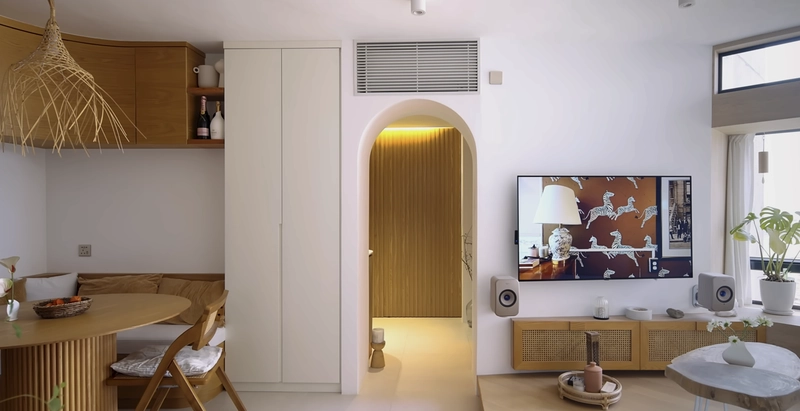
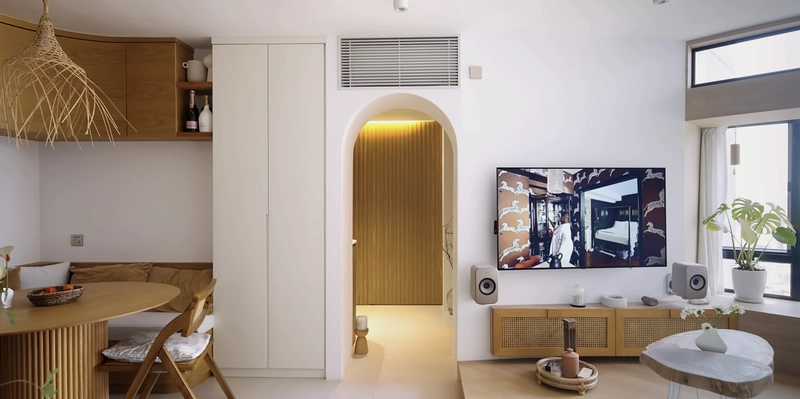
One of the most prominent trends in contemporary design is the move away from harsh, clinical lines toward arches and curves. These architectural features are not merely aesthetic; they serve to “soften” the irregular shapes of a space, creating a more inviting and harmonious atmosphere.
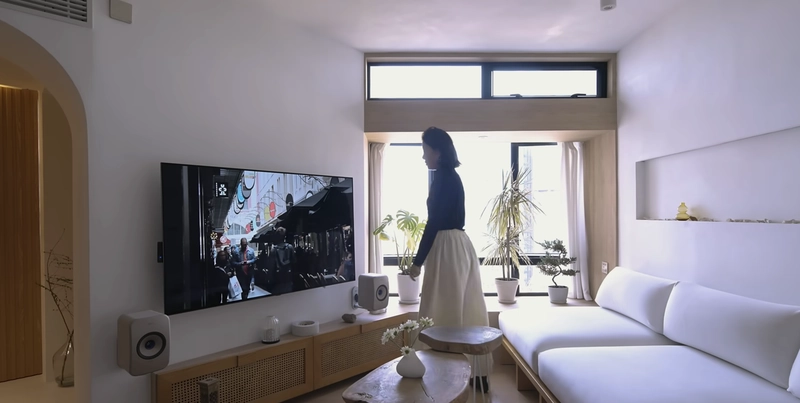
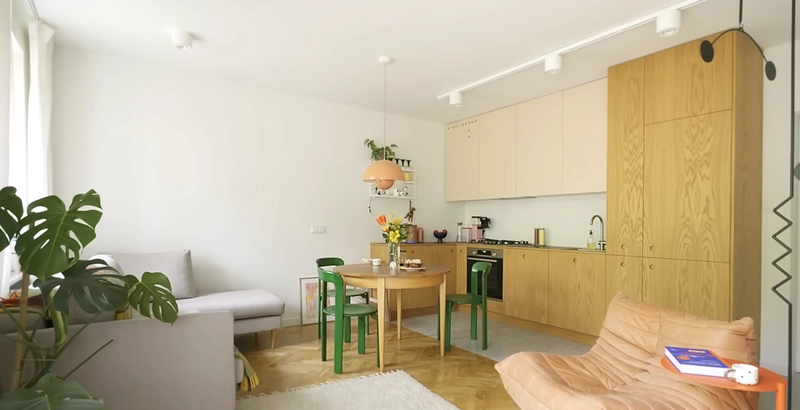
To enhance comfort and mood, prioritize a bright and neutral color palette. This choice maximizes natural light and provides a “tranquil and cozy” backdrop that prevents the eye from becoming overwhelmed. To maintain consistency throughout your project, I highly recommend using a mood board. This tool allows you to organize inspirations and ensures your style remains cohesive from the initial concept to the final finishing touches.
2. Spatial Innovation: Transparency and Division
Current trends favor open-concept layouts that maximize every inch of floor space. For example, demolishing unnecessary bedroom walls can dramatically increase the perceived size of a home. To maintain the benefits of an open layout while defining functional zones, consider using wooden platforms rather than physical walls. A step down from a living area to a dining space acts as a subtle visual divider without obstructing the flow of light or conversation.
Expert Design Advice:
• Opt for sliding doors: Replacing traditional swing doors with sliding or fluted panel doors is a premier space-saving strategy.
• Elevate your furniture: Choosing “floating” cabinets or lifting pieces off the floor without legs creates a “lighter” and “visually cleaner” aesthetic.
3. Materiality and Wellness
The materials we bring into our homes have a direct correlation to our physical health and emotional well-being. We are seeing a resurgence in ecological and non-toxic finishes, such as Japanese lime plaster for walls and ceilings.
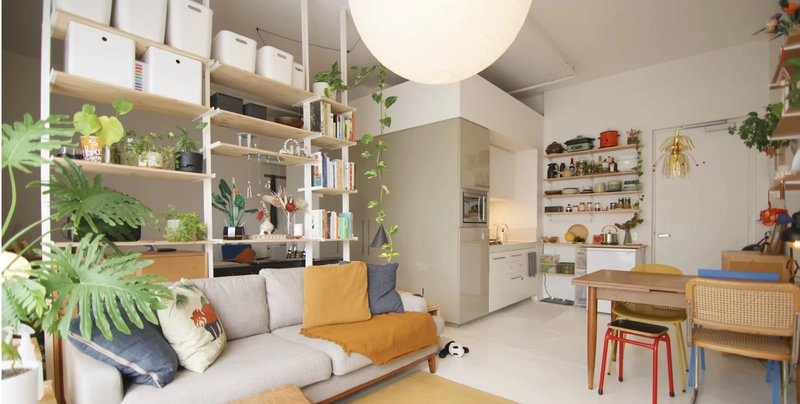
Furthermore, integrating specialized natural materials can offer functional benefits. For instance, Japanese Aomori Hiba wood is gaining popularity in “wet rooms” and bathrooms due to its strong anti-molding and antibacterial properties. To further boost the mood of a room, never underestimate the power of natural sunlight and greenery; a well-placed window ledge for plants can breathe life into a minimalist apartment.
4. The Zen of Organization
A primary detractor from a peaceful home environment is clutter. Current design trends emphasize adequate, hidden storage to keep everyday necessities out of sight.
• Multifunctional Furniture: Look for pieces that serve dual purposes, such as a deep sofa that doubles as an “afternoon bed” or custom beds with storage drawers built underneath for items used less frequently.
• Verticality: Utilize full-height cabinets and “pack boards” (pegboards) in foyers to organize grocery trolleys, mops, and shoes.
5. Cultural and Symbolic Harmony
Design is often most impactful when it draws from cultural wisdom. Incorporating a small foyer area (Genkan style) helps separate the outside world from the home, ensuring dirt does not enter the living space. In the dining room, a circular table is often preferred; in the practice of Feng Shui, this is a powerful symbol of uniting the family.
Final Thoughts: The Importance of “Blind Space”
While it is tempting to fill every corner of a home, especially in smaller dwellings, the most sophisticated designs embrace “blind space”. Leaving areas of emptiness provides a necessary visual balance, allowing the mind to rest. By being open-minded to the possibilities of every corner while maintaining this balance, you can create a home that is not just a place to live, but a source of constant inspiration.