The Materiality of Sustainability
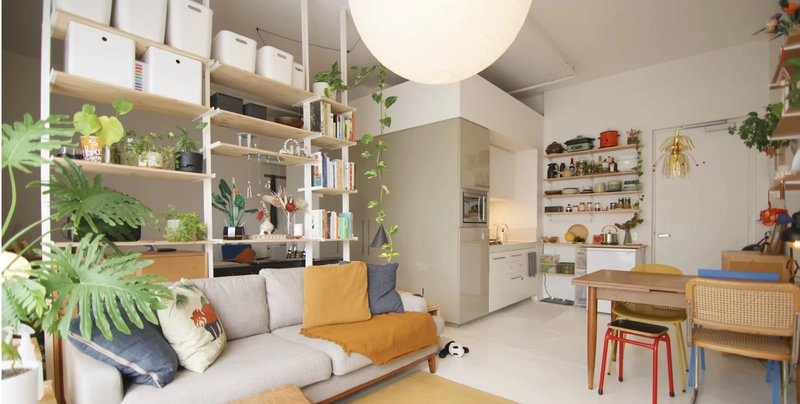
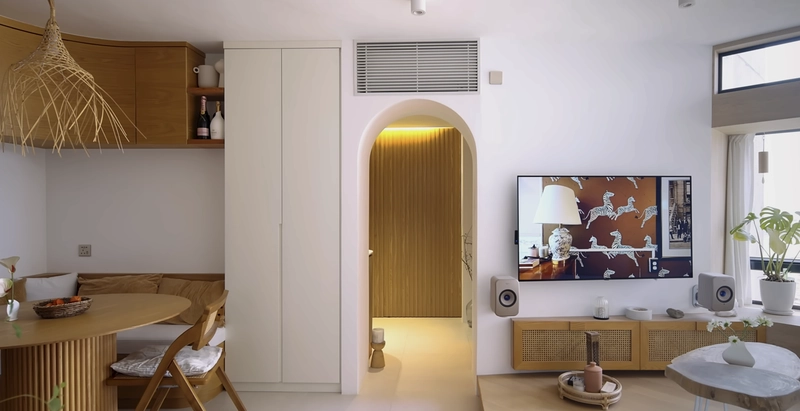
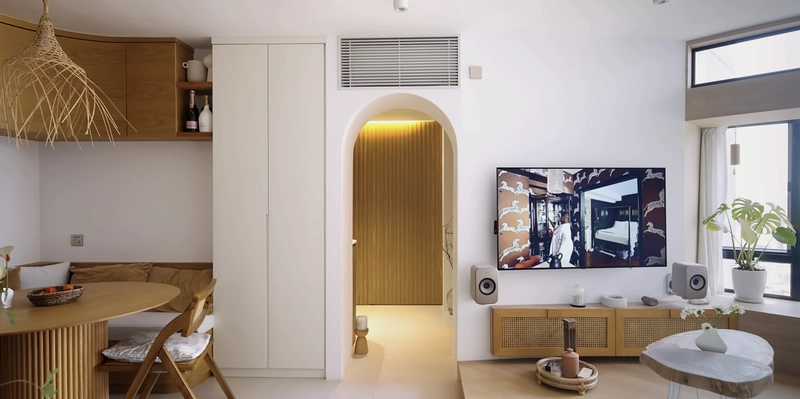
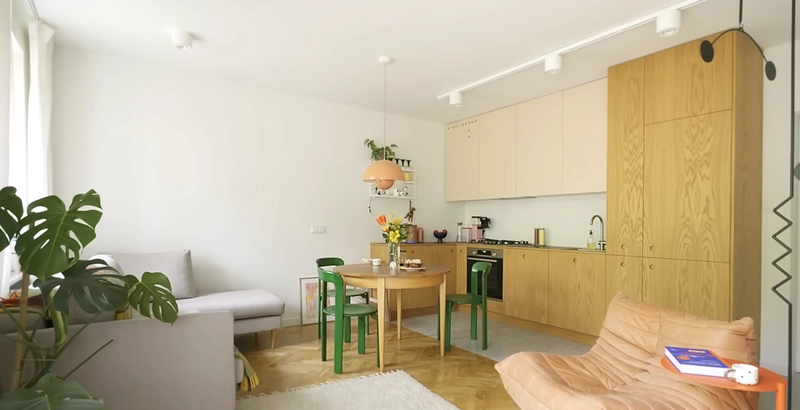
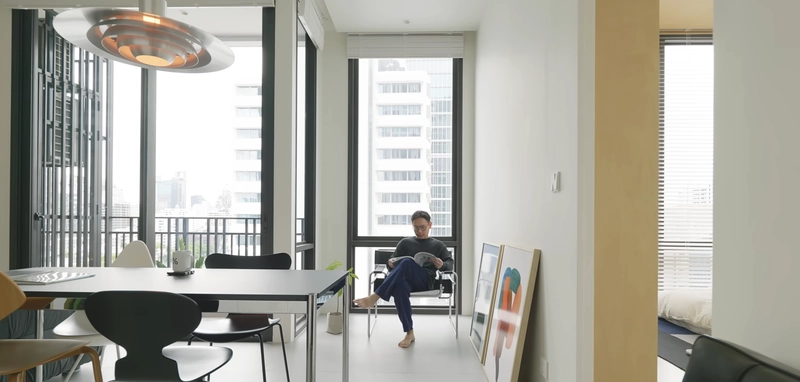
In the heart of Bangkok, tucked just behind the lush greenery of Lumpini Park, I have woven a sanctuary I call “Loom.” To most, it is a modest 47-square-meter apartment, but to me, it is a carefully crafted narrative of my life and the things I cherish. Building this home was never about filling a void; it was about creating a “complementary space” where my dreams, my collection of designer furniture, and my need for peace could finally coexist.
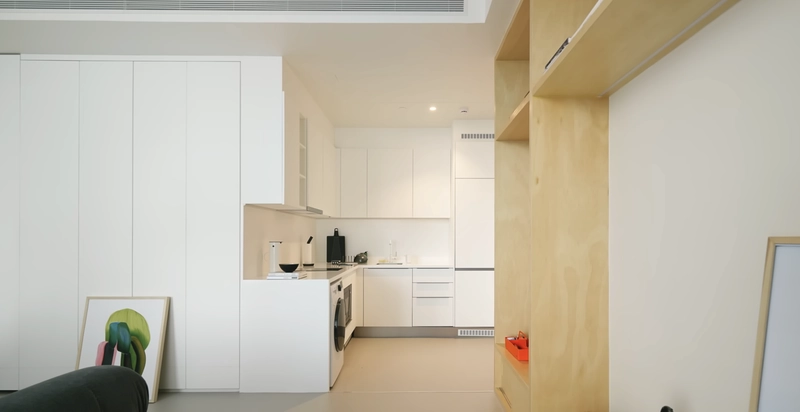
When I first walked into the room, it was a typical apartment, draped in uninspired wallpaper and standard finishes. I felt a deep emotional need to strip it back—to create a “clean and seamless space”. I chose to remove the old wallpaper and paint the walls white, turning my home into a blank canvas where my B&B Italia modular sofa and various artworks could become the true focus. There is a profound aesthetic sensitivity in choosing modest materials; by using light gray rubber sheets for the floor and blockboard—a type of light plywood—I found a “comforting feeling” that grounded the apartment’s modern edge.
My creative process was driven by the philosophy of “maximizing usage within the minimized space”. I didn’t want to be overwhelmed by clutter, so I integrated hidden storage everywhere—from floor-to-ceiling cabinets for my suitcases to a shoe bench that elegantly transitions into a TV console. My favorite “secret” is my workspace: a dedicated wooden shelf hidden behind a cabinet door. When I work, the door acts as a privacy screen, but when the day is done, I can literally close the door on my professional life, reclaiming my mental space.
The most intimate parts of my home are where I truly feel the shift in mood. In the sleeping area, I chose to elevate the bed onto a wooden platform. Surrounded by the warmth of blockboard on the walls and ceiling, it feels like a “cozy cave-like space,” a deliberate departure from the open, light-filled common areas. This sense of a retreat continues into the bathroom, the “deepest part of the cave,” where I chose darker tones and black tiles to create a mood of quiet depth.
Living in “Loom” has taught me that a home should not be a burden. Because this space is compact, it consumes less energy and, more importantly, less of my time to maintain. By choosing to live with intentionality in a smaller footprint, I have found that I can finally spend my time on the things I truly enjoy. It is more than just an apartment; it is a reflection of my belief that beauty and efficiency are the true foundations of comfort.