The New Urban Sanctuary: How Lifestyles are Redefining the Compact Home
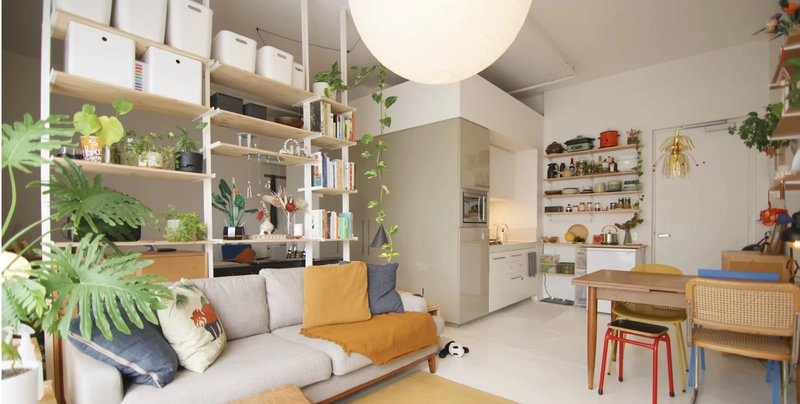
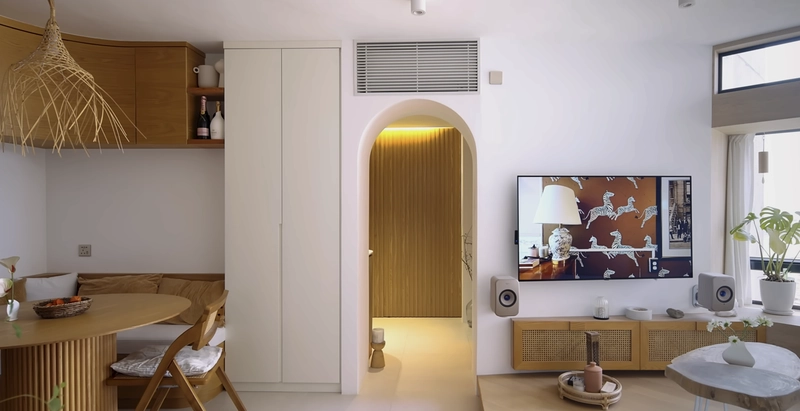
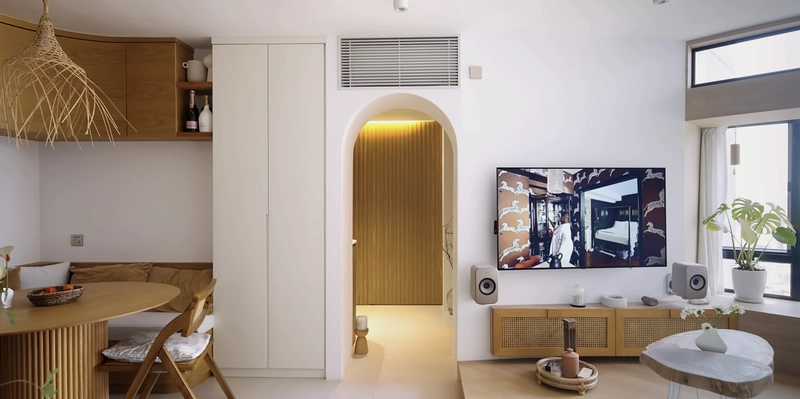
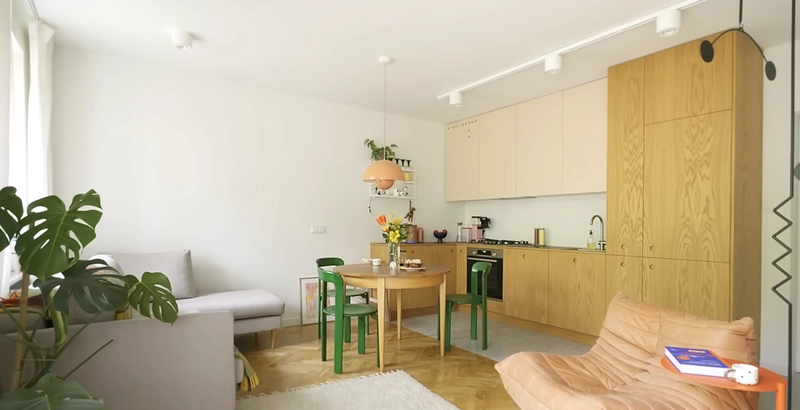
In the heart of bustling metropolises, the definition of “home” is undergoing a radical transformation. No longer defined by sprawling square footage, the modern living space is becoming a reflection of intentionality, efficiency, and personal expression. This shift is perhaps nowhere more visible than in the “Loom” project in Bangkok—a 47-square-meter (506 sq. ft.) apartment that exemplifies how thoughtful design can turn a compact footprint into a high-functioning sanctuary.
Maximizing Usage in Minimized Spaces
The traditional approach to residential design often prioritized separate rooms for specific functions. However, modern lifestyles—characterized by urban density and a desire for lower maintenance—demand a more fluid approach. According to the founder of Ops Architect, the core philosophy of modern small-space design is to “maximize usage within the minimized space”.
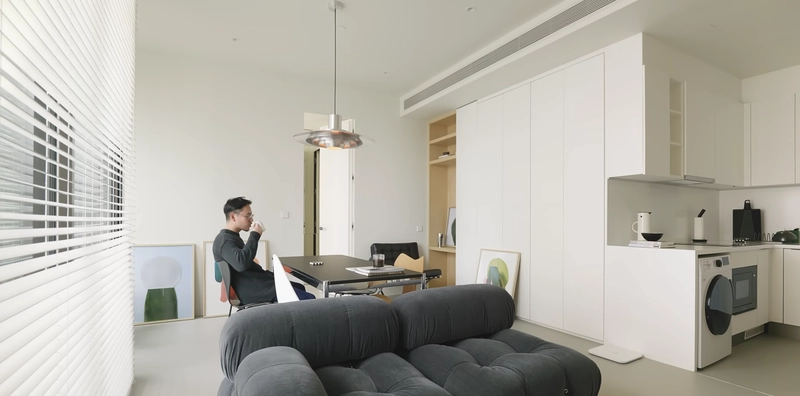
By utilizing modest materials and a neutral color scheme, designers can create a “blank canvas” that allows the inhabitant’s personal style to take center stage. In the Loom project, white walls and seamless transitions were used to create the illusion of a much larger area, allowing the owner’s collection of designer furniture and artwork to become the focal points.
The Multi-Functional Revolution
One of the most significant shifts in modern living is the blurring of lines between professional and private life. The rise of remote work has forced a reimagining of the “home office.” Instead of a dedicated room, designers are now integrating “hidden” workspaces.
In the Bangkok apartment, a floor-to-ceiling cabinet along the wall conceals a dedicated wooden shelf that serves as a desk. When the cabinet door is opened, it not only provides a workspace but also acts as a privacy screen for the client while they work from home. Similarly, furniture is being designed to perform double duty: a built-in shoe bench can transition seamlessly into a TV stand, ensuring that every inch of the home serves a purpose.
Zoning and Atmosphere
Living in a small space does not have to mean living in a single, monotonous room. Modern design uses textural zoning to create distinct “moods” within a limited area.
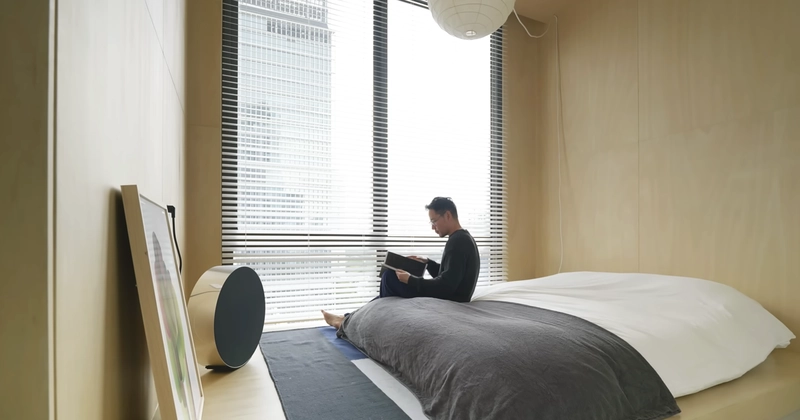
• The Sleeping Area: By elevating the bed onto a wooden platform made of blockboard, designers can create a “cozy, cave-like” atmosphere that feels distinct from the common living areas.
• The Bathroom: To create a sense of depth in windowless, tiny bathrooms, designers are experimenting with darker tones and varying tile sizes to change the mood entirely from the rest of the light-filled apartment.
Sustainability and the “Time” Dividend
Beyond the aesthetic and functional benefits, the shift toward smaller, more efficient homes is driven by a desire for a more sustainable and balanced lifestyle. Smaller spaces consume less energy for cooling and lighting and require significantly less time to maintain.
As the designer of the Loom project notes, reducing the burden of home maintenance allows residents to “spend the time for the things we enjoy”. This lifestyle shift suggests that the future of housing isn’t just about where we live, but how we choose to spend our most precious resource: time.
Whether through the use of repurposed materials—such as the engineering wooden floors used in the Bangkok renovation to prevent waste—or the strategic use of hidden storage for bulky items like suitcases, the modern home is becoming a masterclass in efficiency. As we move further into the decade, the “compact” home is no longer seen as a compromise, but as a sophisticated choice for the modern urbanite.