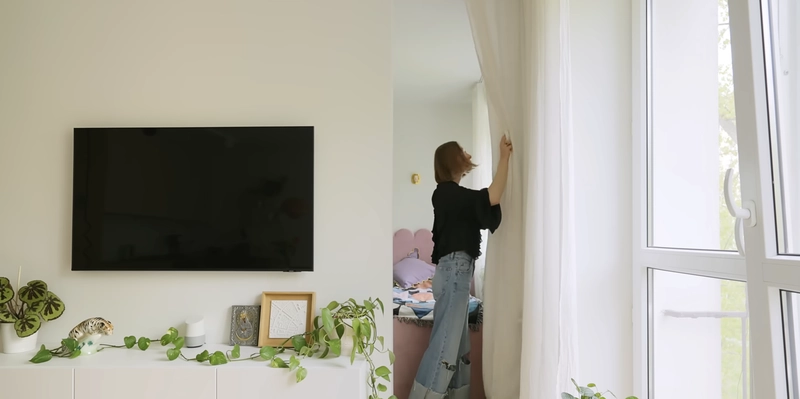
The Art of the Small: An Architect’s Perspective on Modern Living
In the world of modern architecture, we are increasingly moving away from the “bigger is better” mantra toward a philosophy of smart, human-friendly design. As an architect, I believe our role is to shape environments that enhance daily life through intentionality, particularly when working within the constraints of urban density. A recent project in Warsaw’s Starabellana neighborhood—a 33-square-meter apartment—serves as a perfect case study for how we can influence modern living by prioritizing spatial efficiency, sustainable material choices, and a deep connection to nature,.
The Power of Spatial Efficiency
Modern living often demands that we do more with less. In small-scale residential projects, the goal is to “build and use space as smart and efficiently as possible” because a well-designed small apartment can be an exceptional place to live.
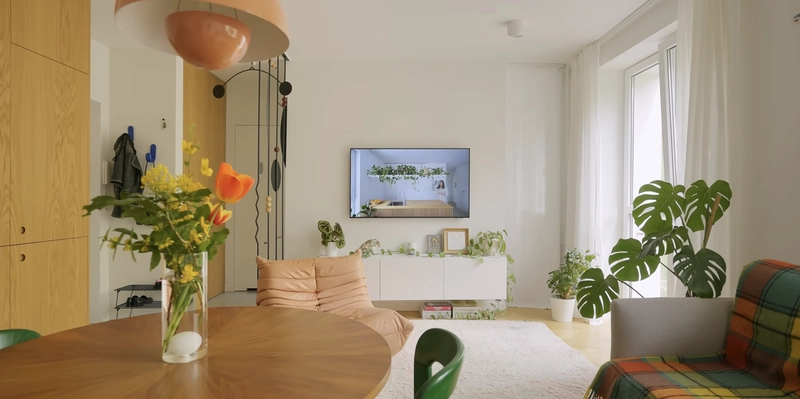
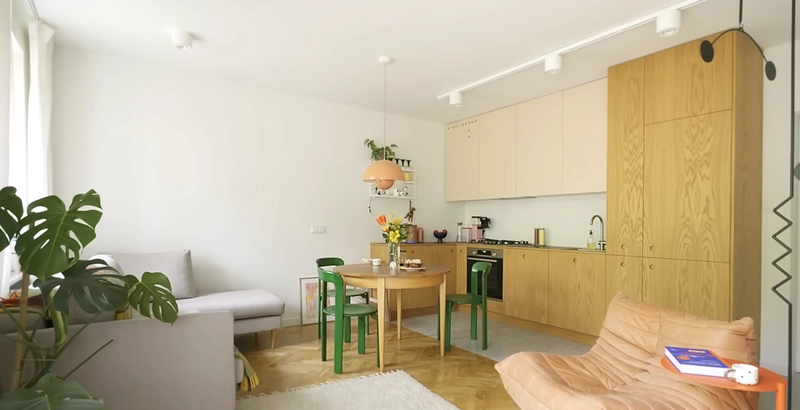
To achieve this, we often have to dismantle the rigid, dark layouts of the past. In the Warsaw project, the original 1960s plan featured a dark hallway and a cramped kitchen. By removing the walls between the kitchen and living room, we created an open, bright interior where the majority of the apartment is visible from the threshold. Custom-made storage is the backbone of this efficiency; for example, using oak veneer panels to create a central closet that hides shoes, clothes, and even the washing machine allows the rest of the home to remain uncluttered and beautiful,. When we maximize storage, we gain the freedom to expose beautiful, meaningful furniture rather than household clutter.
Sustainability: “There is No Planet B”
As architects, our material choices are a statement of our values. The philosophy is simple: “there is no Planet B,” so we must prioritize materials that look good for years to come and support a circular economy,.
Sustainability in modern architecture is found in:
• Longevity: Using high-quality materials like oak veneer and herringbone oak parquet—a pattern popular in the 1960s that remains timeless today.
• Adaptive Reuse: Incorporating second-hand furniture is a vital sustainable practice. Restoring vintage pieces, such as chairs designed in the 1970s by Bruno Ray, not only preserves history but reduces the environmental impact of manufacturing new goods.
• Durability: Choosing finishes that age gracefully ensures that the interior does not need frequent, wasteful renovations.
Harmonizing Architecture and Nature
Even in a bustling capital city, the relationship between a home and its natural surroundings is essential for well-being. Modern architecture should leverage the “human-friendly” scale of a neighborhood, utilizing the residential greenery located between buildings to provide a sense of calm.
Inside the home, we can reinforce this connection by ensuring that greenery is visible from the very entrance of the space. We use design elements like “open-work structures”—inspired by the mobiles of Alexander Calder—to separate zones without blocking views or natural light, keeping the inhabitant connected to the entire environment. By combining natural wood finishes with botanical elements and thoughtful lighting, we create a living space that feels like a natural extension of the world outside,.
Ultimately, modern living is not defined by square footage, but by the intelligence of the layout and the integrity of the materials used. By designing with a focus on efficiency and sustainability, we create homes that are not only functional but also deeply respectful of our planet.