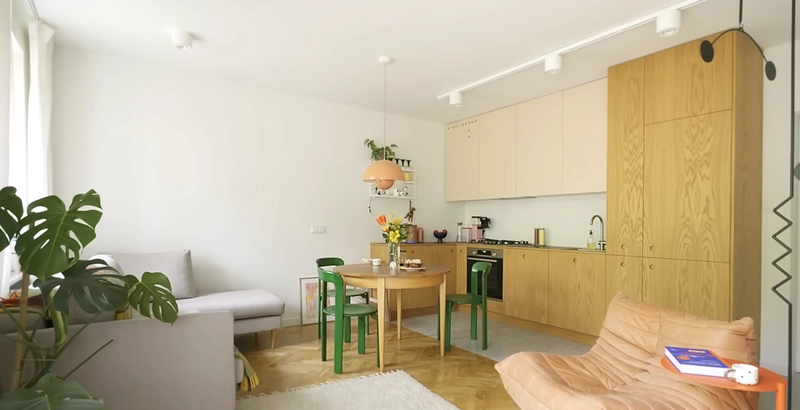
The Art of Living Well: Modern Trends in Soulful and Functional Interior Design
In the modern era of interior design, we are moving away from sterile, cookie-cutter aesthetics toward homes that tell a story. As an expert in the field, I have observed a significant shift toward bright, bold, and colorful interiors that prioritize the inhabitant’s personal history and well-being. Designing a home—especially a compact one—is about more than just furniture; it is about creating a “human-friendly” environment where every square inch serves a purpose and every color choice influences your mood.
Here are the current trends and expert strategies for transforming your living space into a sanctuary of comfort and style.
1. Embracing Sustainable Vintage and Personal History
One of the most impactful trends today is the integration of second-hand and vintage furniture. Choosing pre-loved pieces is not only an aesthetic choice but a moral one; as we often say, “there is no Planet B,” and using space and materials efficiently is essential.
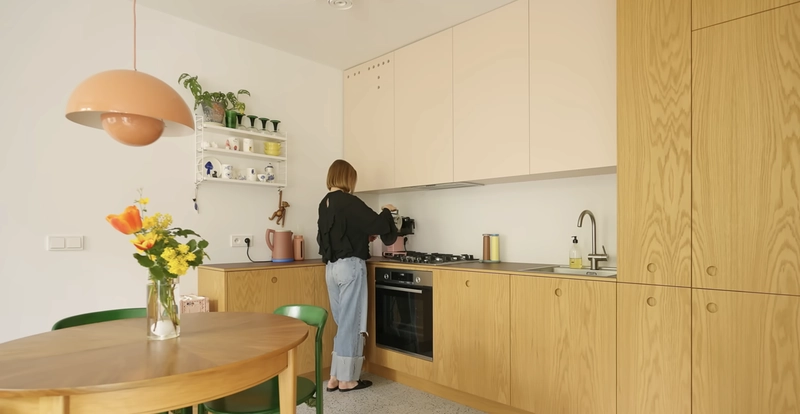
• Design Advice: Look for iconic mid-century pieces, such as chairs designed in the 70s, which can be restored with a modern twist. For example, staining vintage wooden chairs in a vibrant “green stain” can connect them to other elements in your room, such as the flecks in a terrazzo floor. Displaying personal hobbies, like a ceramic or porcelain collection, on floating string shelves allows your home to reflect your identity, which significantly boosts your emotional connection to the space.
2. The Psychology of Color and Light
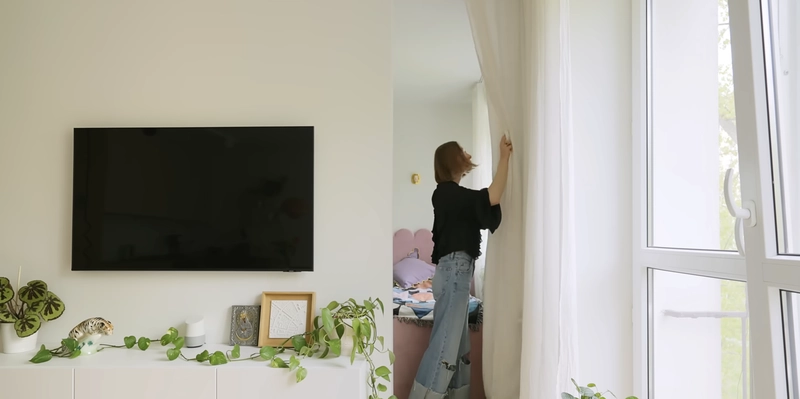
We are seeing a departure from all-white palettes in favor of sophisticated color combinations that affect comfort and energy levels. Light pink has emerged as a favorite for creating a soft, welcoming atmosphere, especially when used on kitchen cabinets or bedroom headboards.
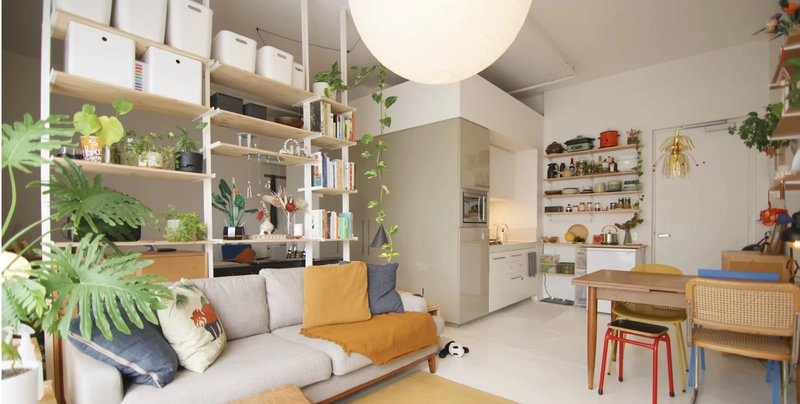
• Design Advice: To keep a colorful home feeling grounded, balance soft tones with rich, earthy accents. A maroon worktop or oak veneer panels can provide a sense of stability and warmth. If you are working with a small layout, maintain a bright and bold concept with plenty of greenery visible from the entrance to create an immediate sense of freshness and life.
3. Spatial Intelligence: Flow and Functionality
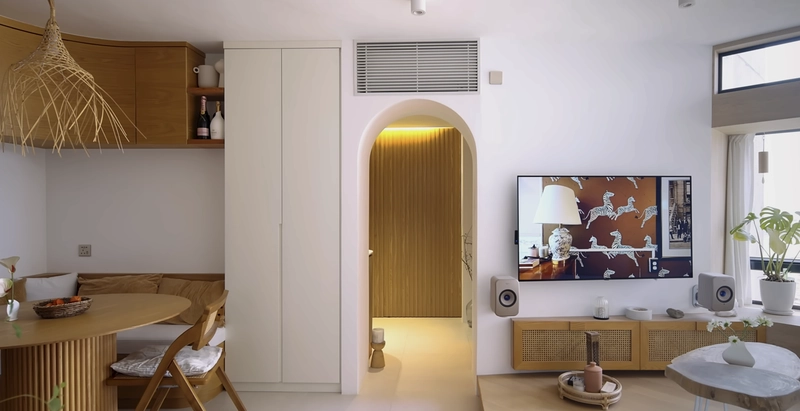
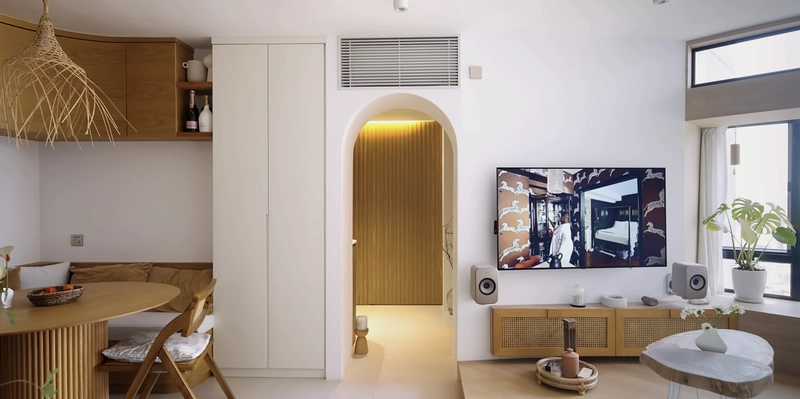
The layout of a home profoundly affects your daily stress levels. Modern design focuses on removing unnecessary barriers—such as the walls between a kitchen and living room—to eliminate “dark hallways” and create a sense of openness.
• Design Advice: Even in a small 33-square-meter apartment, you can achieve a sense of luxury through custom-made storage. Consider moving bulky appliances, like the washing machine, into a central custom closet to free up space in the bathroom. Using openwork structures or “mobiles” inspired by artists like Alexander Calder can separate zones (like an entrance from a living room) without blocking light or views.
4. Materiality and Longevity
Current trends favor materials that “look good for years to come”. Oak parquet in a herringbone pattern is a classic choice that offers timeless elegance and durability. For high-traffic areas like the bathroom, choosing curved vanities can make moving around a compact space easier and more fluid.
5. Organizing the Vision
Professional designers often use digital tools to manage these complex choices. Using a platform like Milanote allows you to create a virtual pinboard for floor plans, product lists, and mood boards. This helps ensure that your color swatches, furniture selections, and links to products are organized before you begin the physical transformation.
Final Thought: Whether you are living in a historic 1960s estate or a modern studio, the goal is to build and use space as smartly and efficiently as possible. By combining vintage charm with bold color and intelligent storage, you create a home that doesn’t just look beautiful—it supports your lifestyle and elevates your spirit.