The Art of the Small: How Modern Lifestyles are Redefining the Concept of Home
In the heart of Warsaw’s Stara Bielany neighborhood, a 33-square-meter apartment serves as a masterclass in the evolution of modern living. Once a cramped, dark 1960s flat designed for a family of three, the space has been reimagined for Kasia, a civil engineer and hobbyist ceramicist, whose lifestyle demands both high functionality and personal expression. This transformation reflects a growing global shift: as urban footprints shrink, the emphasis on smart, efficient, and sustainable design has never been higher.
Breaking the 1960s Mold
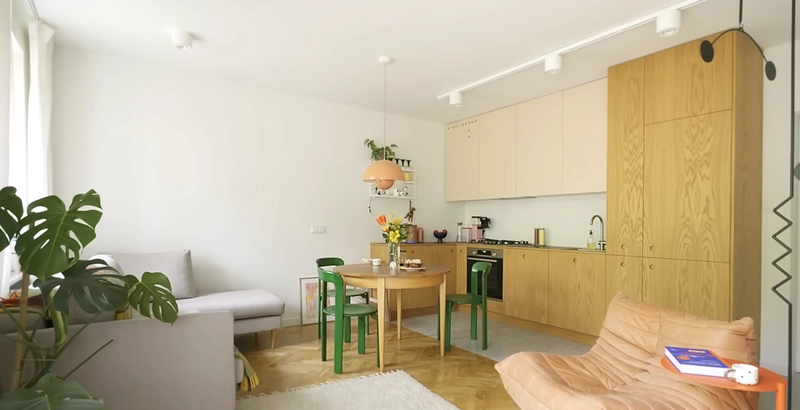
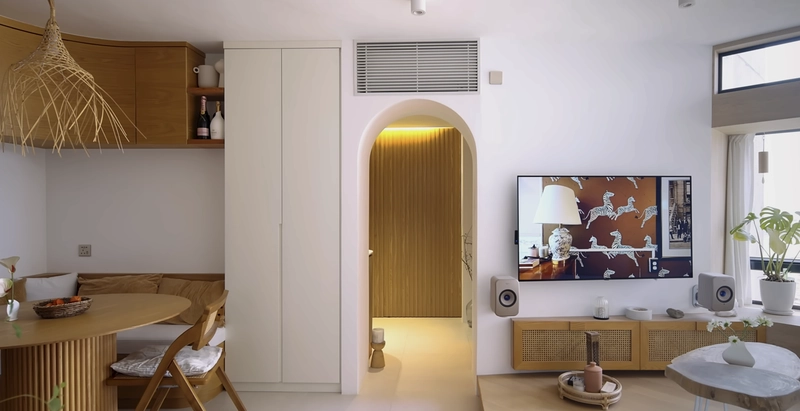
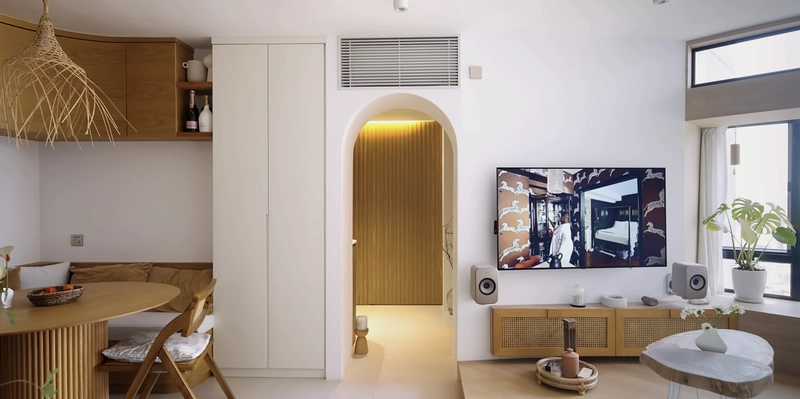
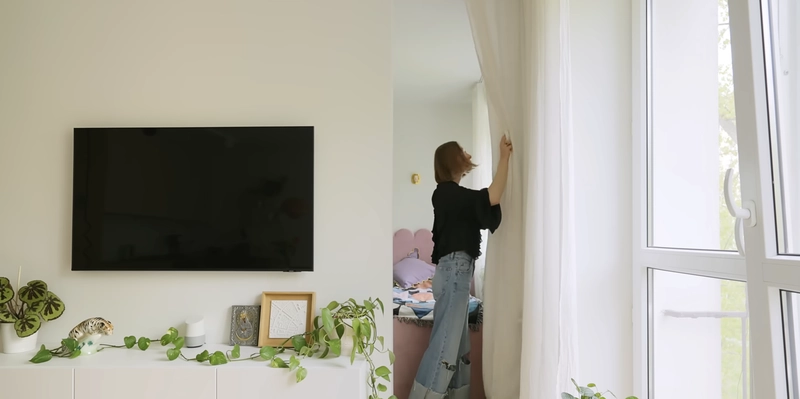
The original layout of Kasia’s apartment was a relic of Polish post-war housing, featuring a dark hallway, a narrow kitchen, and a bathroom so tight that the washing machine blocked the door. To adapt this space for a modern inhabitant, architect Karolina and her husband opted for a radical open-plan approach. By removing walls between the kitchen and living room and creating a second entrance to the bedroom, they transformed a series of isolated cells into a fluid, light-filled sanctuary.
“Small apartments, if designed well, are very good places to live,” Karolina explains, noting that their philosophy centers on maximizing storage to allow beautiful, curated furniture to take center stage.
The “Full-Size” Standard in Small Spaces
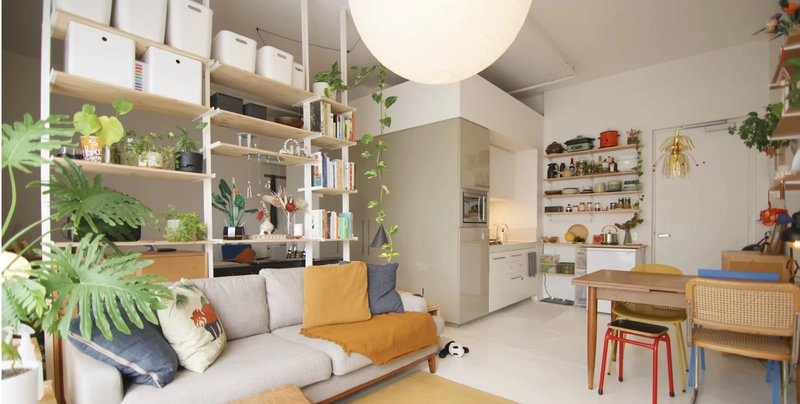
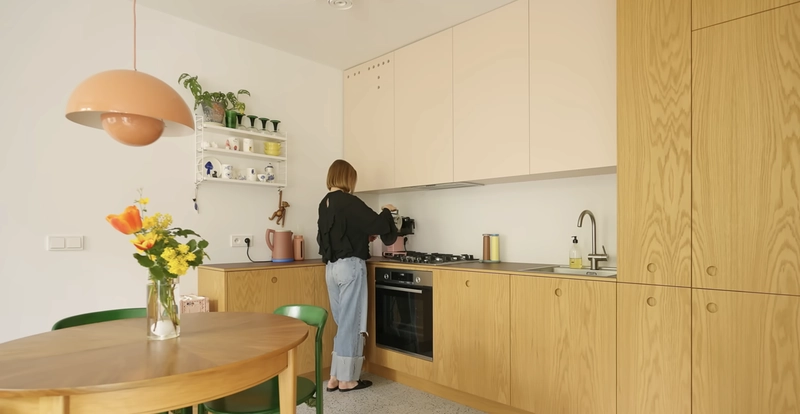
While the “tiny home” movement often prioritizes minimalism to the point of sacrifice, modern dwellers are increasingly refusing to compromise on their passions. Despite the limited 355-square-foot footprint, Kasia’s primary requirement was a full-size kitchen rather than a mere kitchenette. As an avid cook, she needed ample space to store food, prepare meals, and host friends at a wooden dining table.
The design further integrates her identity as a maker. Custom “string” shelving was installed specifically to display her collection of handmade ceramic and porcelain pieces, turning a hobby into a central design feature.
Sustainability and the Vintage Revival
A key pillar of this modern design movement is a commitment to the environment. “There is no Planet B,” Karolina asserts, emphasizing that we should use existing space as smart and efficiently as possible. This eco-conscious mindset extends to furniture choices. Instead of purchasing new, mass-produced items, the apartment showcases restored vintage pieces, such as 1970s-era chairs by Bruno Rey. Originally found in poor condition and painted dark brown, the chairs were refurbished with a green stain to match the green accents in the apartment’s terrazzo flooring.
Smart Solutions for Dense Living
To maintain a “bright, bold, and colorful” interior without the clutter, every inch of the 33 square meters is utilized through custom carpentry:
• The Central Hub: A custom-made oak veneer closet in the entrance zone hides shoes, coats, and the formerly intrusive washing machine.
• Multi-Functional Furniture: The bed features built-in storage underneath, while the bedroom closet combines open shelving for books with closed drawers for clothing.
• Visual Transparency: An open-work structure inspired by Alexander Calder’s mobiles separates the entrance from the living room without blocking the view, maintaining a sense of openness.
(Information regarding the specific architectural history of Warsaw’s “Stara Bielany” and the broader “tiny house” market trends in Europe are not included in the sources and would require independent verification.)
Ultimately, Kasia’s Warsaw apartment proves that the size of a home is secondary to its soul. By blending vintage aesthetics, personalized hobby spaces, and high-efficiency storage, modern living is no longer about how much space you have, but how intelligently you use it.